What’s coming up in April?

What’s coming up in April?
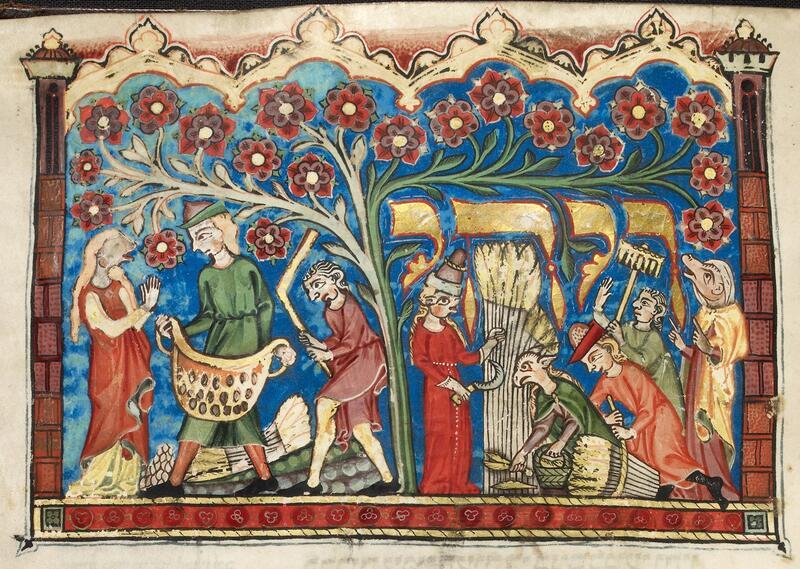
This April, as spring arrives and the themes of renewal and memory surrounding Passover approach, CSP presents a dynamic lineup exploring Jewish history, creativity, and cultural memory. Highlights include Dr Aviva Dautch reflecting on Seder traditions in literature from Marjorie Morningstar to Chava Alberstein, Dr Katherine Aron-Beller examining the unsettling phenomenon of redemptive antisemitism in the Nazi era, and Dr Rotem Rozental discussing how Israeli artists are responding to the trauma of the October 7 attacks through photography. In the spirit of the spring harvest and the story of the Book of Ruth, Prof Yair Zakovitch explores intermarriage and halachic creativity, while Merav Oren shares how Jewish food traditions carry cultural memory from challah to the modern table. The month also features the continuation of Prof Stephen Berk’s Holocaust series, alongside returning CSP favorites Sharon Keller and Tobi Kahn, offering a rich set of programs connecting history, identity, and creativity in the season of renewal.
Seder Night With My Ancestors From Marjorie Morningstar to Chava Alberstein with Dr Aviva Dautch
Tuesday April 7, 2026
10:00-11:00 AM PDT/1:00-2:00 PM EDT/18:00-19:00 London Time 20:00-21:00 Israel Time
Step into Passover through modern Jewish literature in a lively session exploring poems, songs, and stories that bring the holiday’s themes to life. Featuring works by Yehuda Amichai, Chava Alberstein, Marge Piercy, and others, alongside memorable literary seders imagined by Michael Chabon and Herman Wouk, the program explores how contemporary writers capture both the depth and joy of the Passover experience.
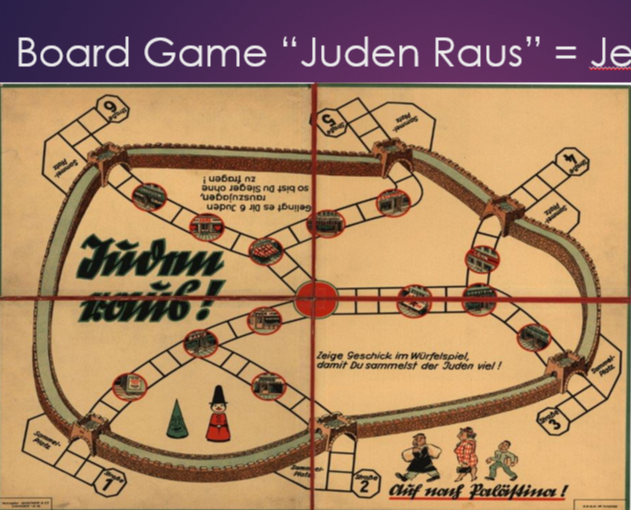
The “Redemptive ” Antisemitism of the Nazi Period with Dr Katherine Aron-Beller
Tuesday, April 14, 2026
10:00-11:00 AM PDT /1:00-2:00 PM EDT / 20:00-21:00 Israel time
This lecture explores how Nazi antisemitism evolved into the central ideology driving the Holocaust between 1933 and 1945. Drawing on Saul Friedländer’s concept of Redemptive Antisemitism, it examines how Nazi ideology portrayed Jews as a corrosive force whose elimination was imagined as national purification. The session probes how such radical thinking could take root in Germany and how antisemitism escalated from hatred to genocidal policy.
Photographs, Memory, and Torn Landscapes with Dr Rotem Rozental
Israeli Artists Responding to October 7th
Tuesday April 21, 2026
10:00-11:00 AM PDT/1:00-2:00 PM EDT/20:00-21:00 Israel time
Marking Yom HaZikaron and Yom HaAtzmaut, this lecture explores how Israeli artists responded in real time to the trauma of the October 7 attacks. Focusing on the project Album Darom, it traces a visual record of the Western Negev through historical photographs, contemporary artworks, and images created during and after the attacks, inspired by daily posts from Dana Arieli. Together, these photographs reveal how artists and ordinary people used photography to document fear, resilience, memory, and survival in the face of devastation.
Intermarriage and Halachic Creativity with Dr Yair Zakovitch
Reading the Book of Ruth
Thursday April 23, 2026
10:00-11:00 AM PDT/1:00-2:00 PM EDT/20:00-21:00 Israel time
This lecture explores how the Book of Ruth creatively reinterprets earlier biblical laws, particularly Book of Deuteronomy’s ban on Moabites and Ammonites, to offer a bold new perspective from within the tradition itself. Reading Ruth as a form of halachic midrash, it shows how the narrative opens the door to accepting Moabite women within the people of Israel. At its core, the story highlights a timeless message: that hesed—loyalty, compassion, and moral character—matters more than ethnicity.
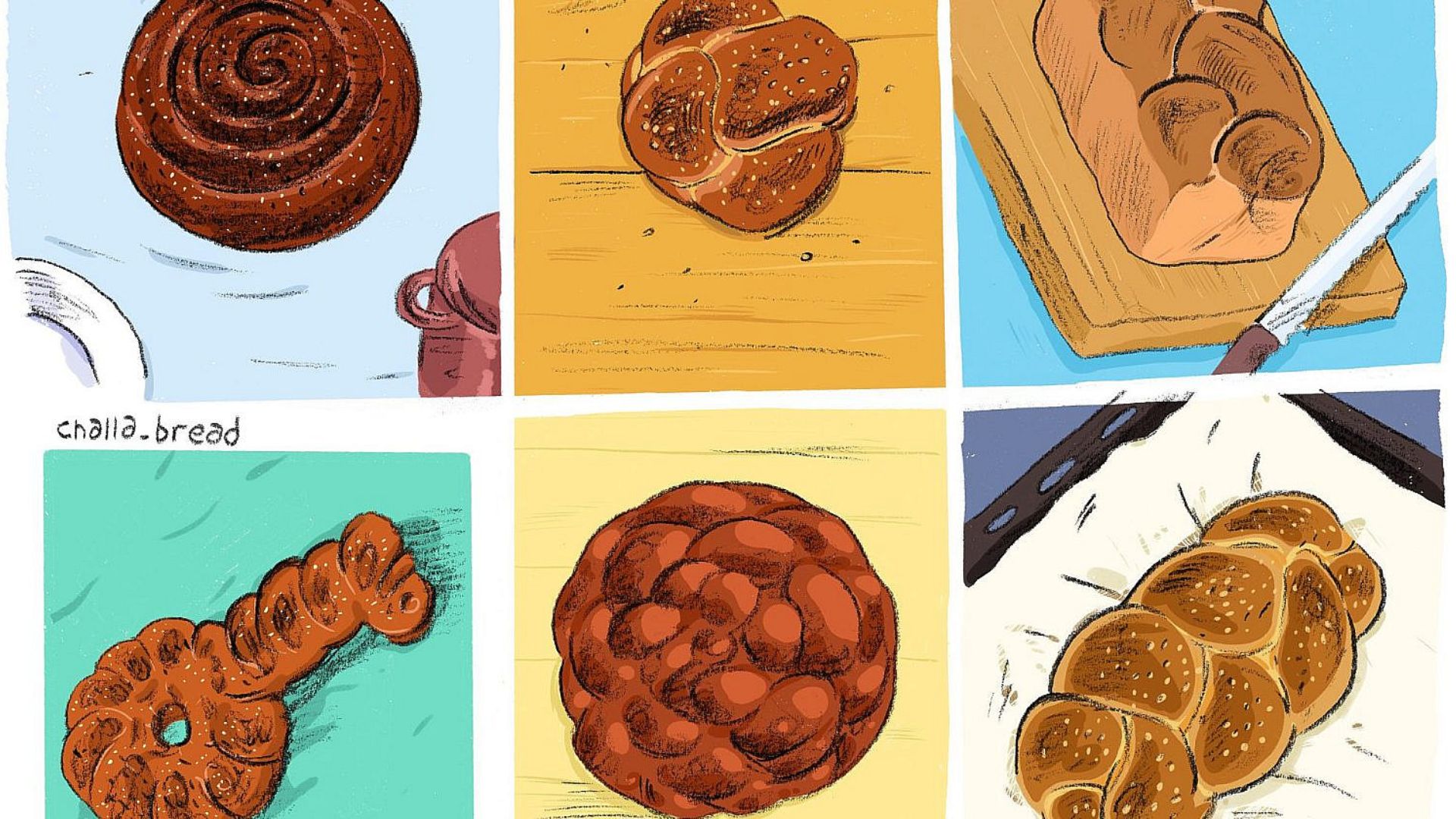
From Challah to the Table with Merav Oren
Jewish Food as Cultural Memory
Tuesday April 28, 2026
10:00-11:00 AM PDT/1:00-2:00 PM EDT/20:00-21:00 Israel time
This engaging talk explores challah not simply as bread, but as a powerful symbol of Jewish memory, identity, and connection across time and place. Blending personal childhood stories with ancient texts, global Jewish history, contemporary art, and moving examples from communities around the world, the presentation shows how food, and challah in particular, becomes a living bridge between generations, between diaspora and homeland, and between cherished tradition and creative renewal.